

TideBreakers & Weeping Elephant Project Demand Better Elephant Welfare at Busch Gardens Tampa Bay
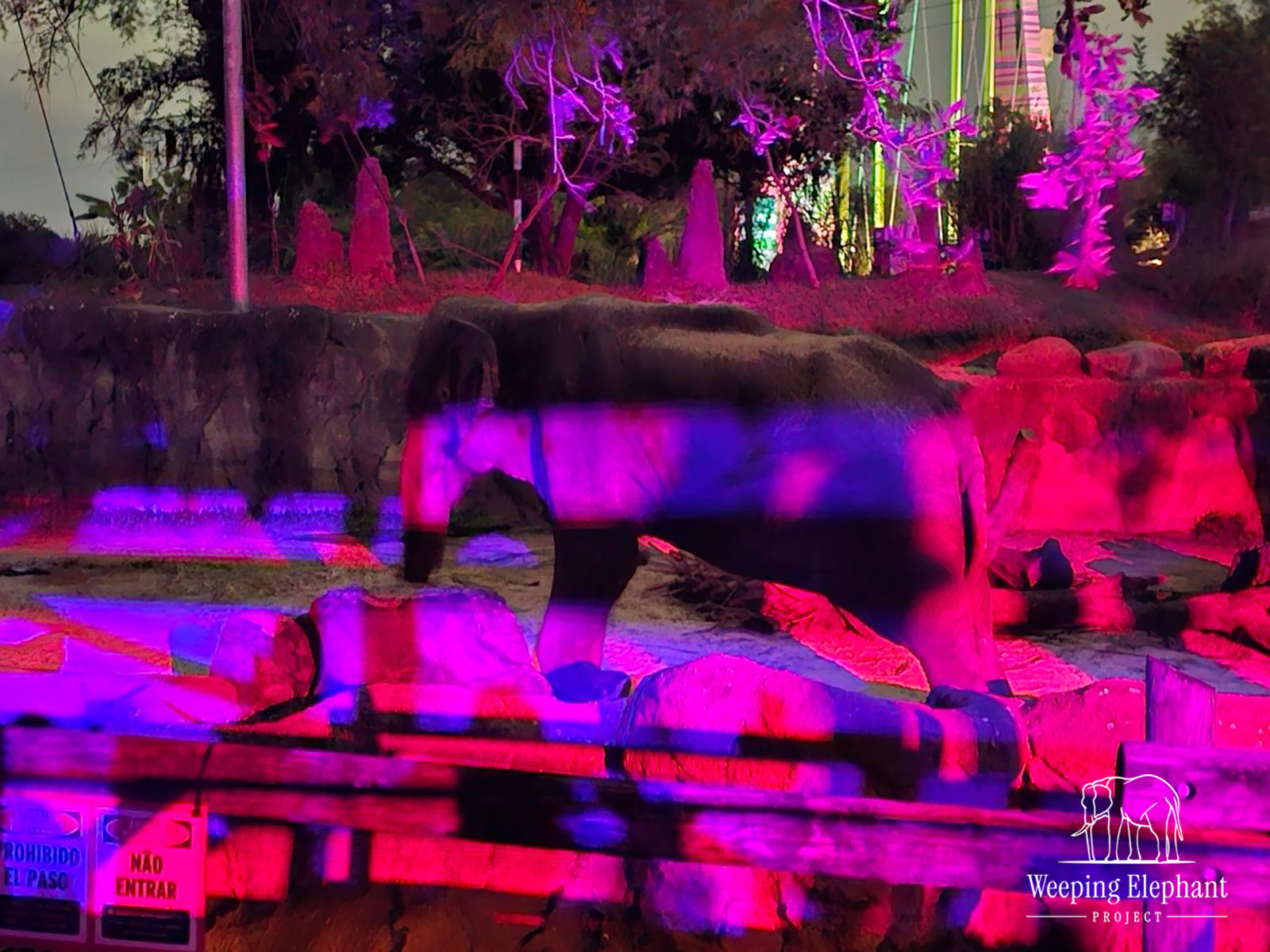
This is Tina at Busch Gardens Tampa Bay - does her location and setting look remotely normal for an elephant?
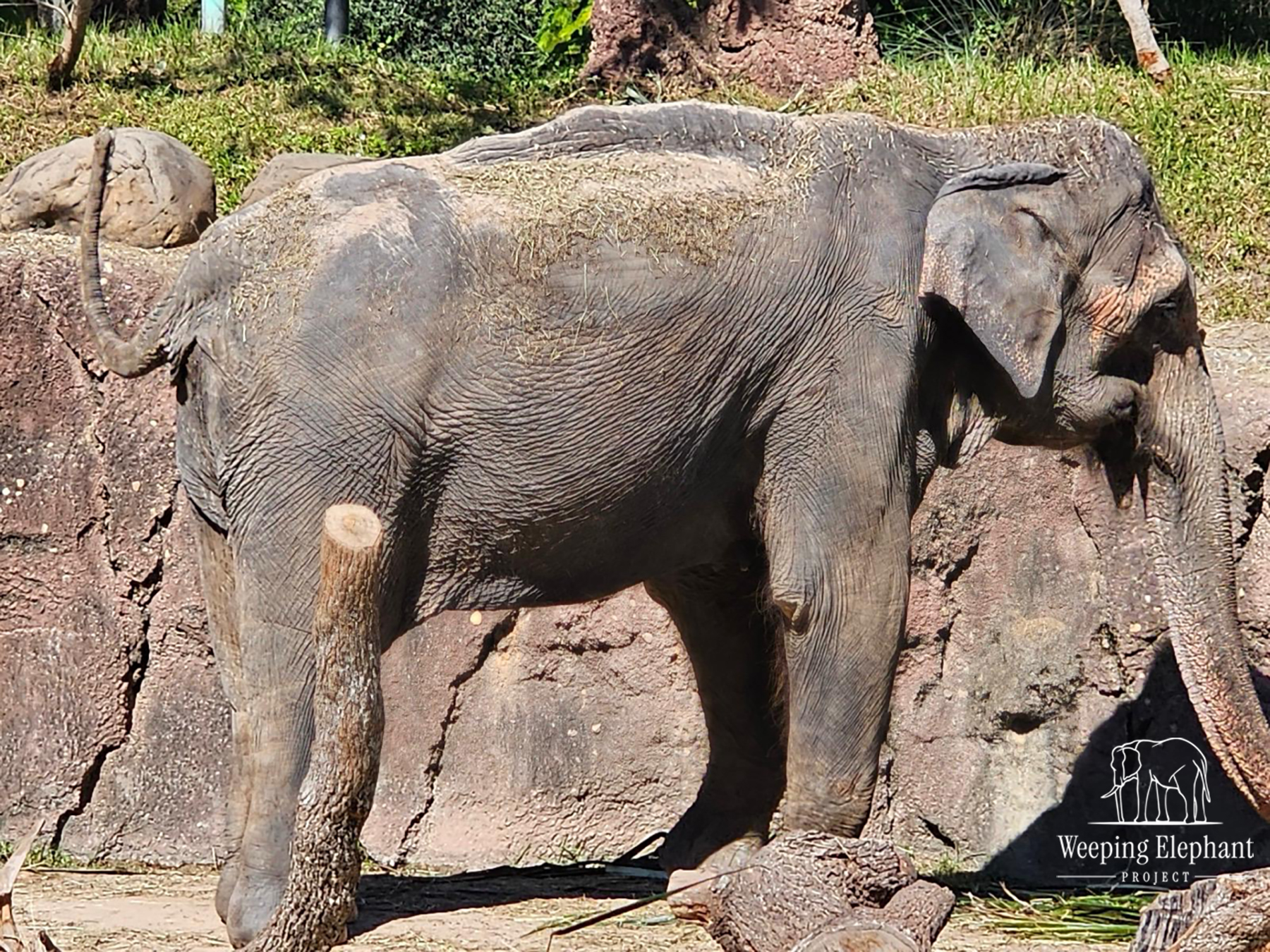
Simba, at Busch Gardens Tampa Bay
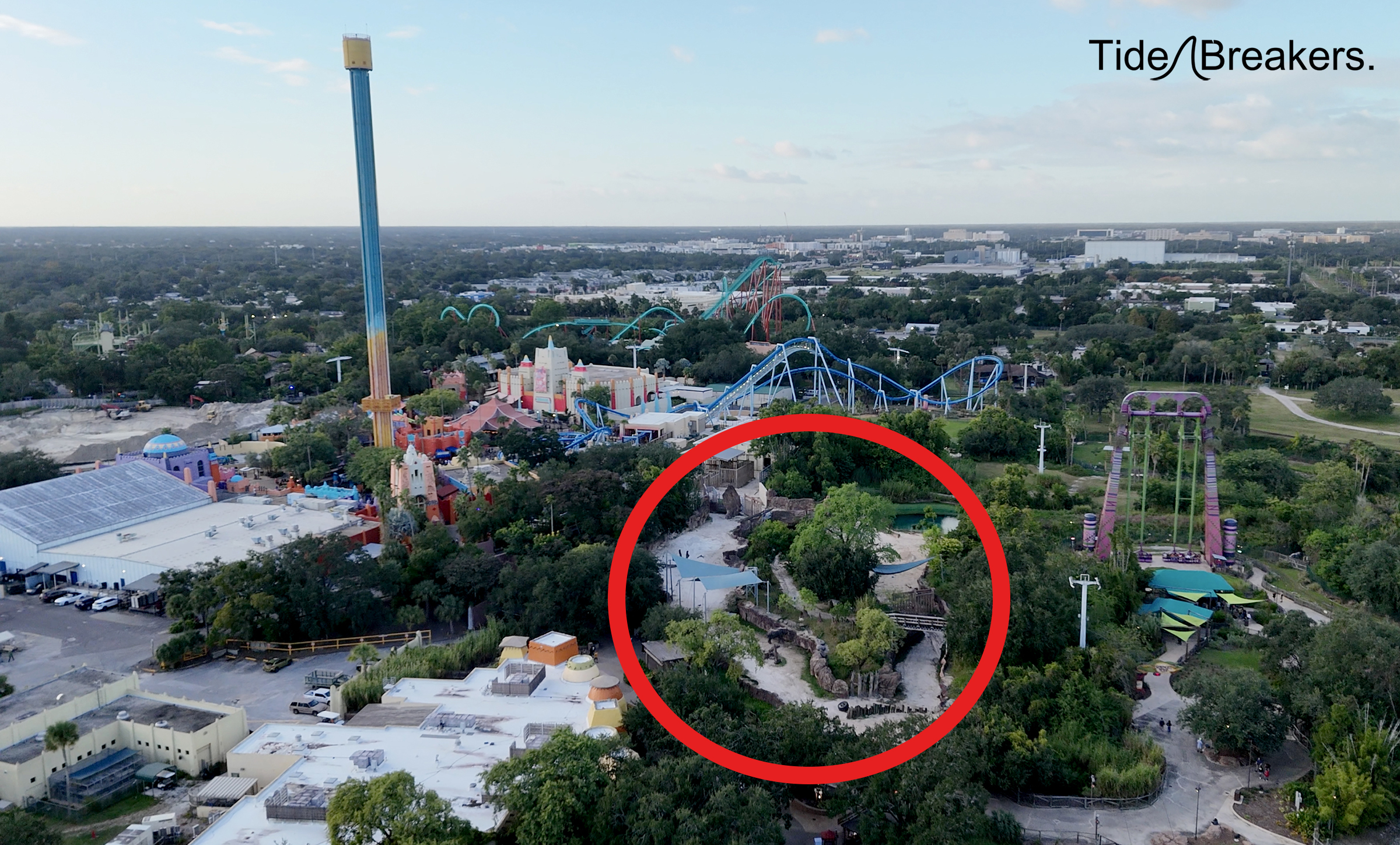
The elephant area at Busch Gardens Tampa Bay
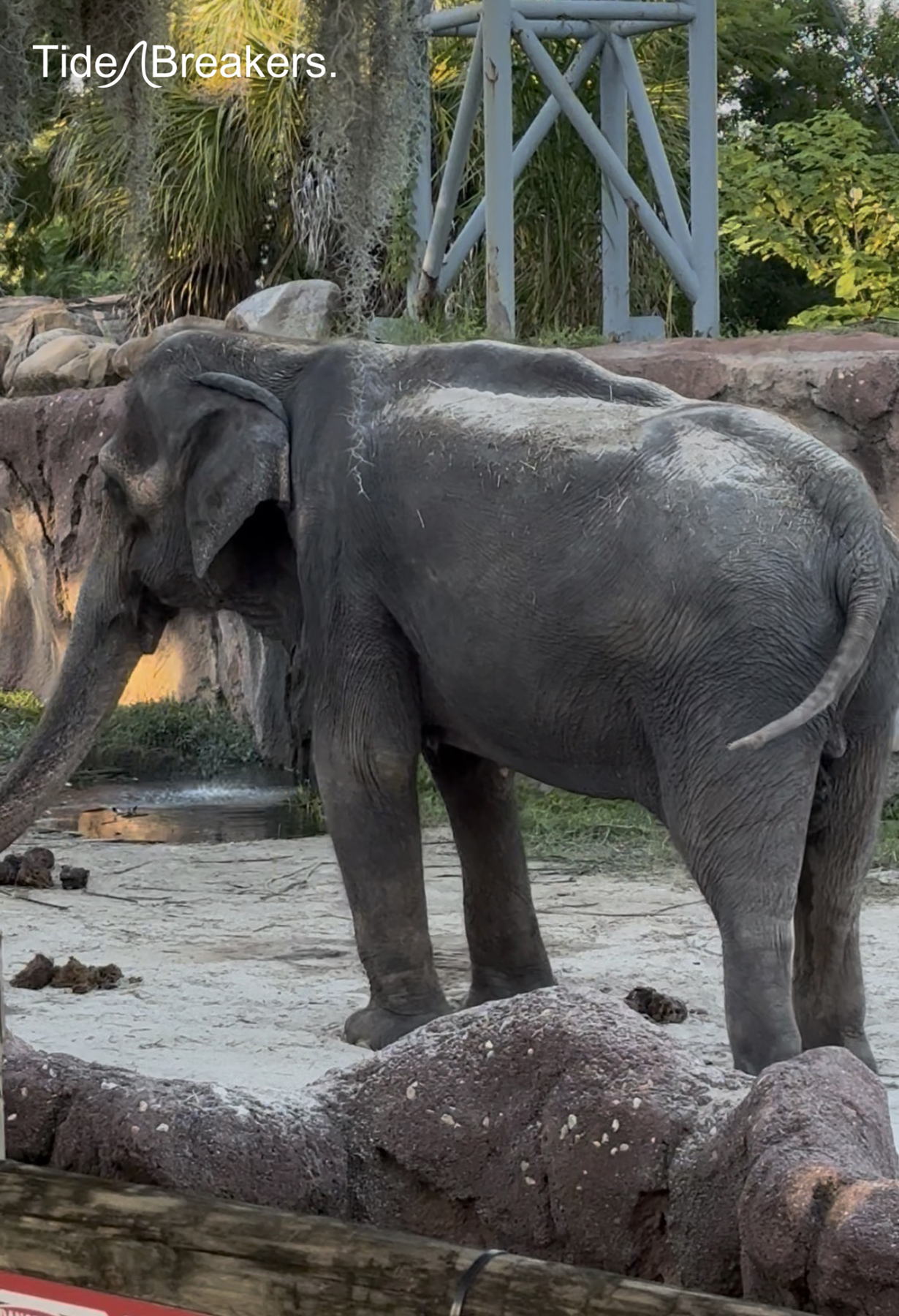
Another elephant in the herd at Tampa Bay Busch Gardens
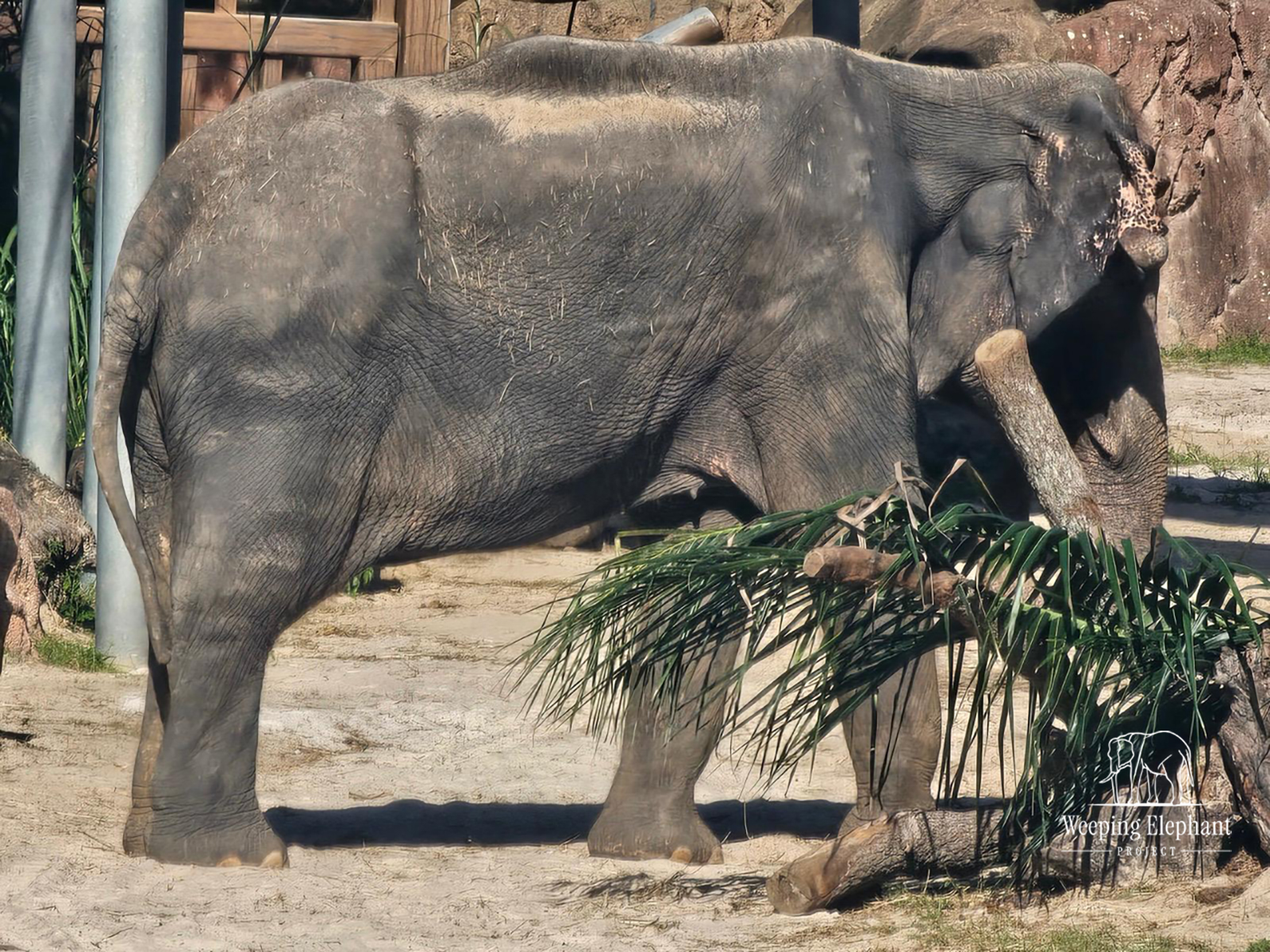
Tina, appearing to be thin in these pictures captured at Busch Gardens Tampa Bay
Animal welfare organisations raise serious questions about noise, elephant health, social conditions and the treatment of an ageing elephant herd.
TAMPA, FL, UNITED STATES, November 2, 2026 /EINPresswire.com/ -- Five female Asian elephants are living in the middle of one of Florida's busiest amusement parks, surrounded by roller coasters, crowds, amplified music, light shows, nighttime entertainment, and seasonal events that can continue until 1:00 a.m.Now, following multiple days of on-site observations during October 2026, animal advocacy organizations TideBreakers and the Weeping Elephant Project are raising serious concerns about the welfare of the elephants at Busch Gardens Tampa Bay and calling for immediate changes to their care and living conditions.
The organizations observed the elephants during the park's Halloween inspired Howl-O-Scream season, which ran on selected nights from September 11 through October 31, 2026. The event as the make suggests utilized amplified music, screaming guests, theatrical sound effects, chainsaw props, and nighttime roller coaster operations - all contributing to an intense entertainment environment that the elephants were exposed to and could not adequately escape from.
For elephants, whose welfare depends on social relationships, opportunities for natural behaviour, and careful management, these observations demand answers and action. These animals are not amusement park attractions. They are five living, feeling, highly intelligent animals whose needs must come first.
As of October 2026, Busch Gardens Tampa Bay houses five female Asian elephants (Elephas maximus), including two recently transferred from Cincinnati Zoo & Botanical Garden. The herd consists of:
SIMBA, 58 — A longtime Busch Gardens resident who has spent more than five decades at the facility.
TINA, 57 — Another longtime resident and senior member of the herd.
KARNAUDI, 36 — Born at Busch Gardens in 1990 and the daughter of Carina, who was euthanized in July 2026.
SCHOTTZIE (Princess Schottzie II), 50 — An elderly elephant who was transferred from Cincinnati Zoo in September 2026.
JATI, 39 — Approaching 40 and entering an important stage of her life. She was also transferred from Cincinnati Zoo in September 2026.
During multiple visits in October 2026, TideBreakers and the Weeping Elephant Project documented conditions within and around the elephant habitats during daytime and nighttime park operations. Among the observations were:
1. Repetitive swaying and other repetitive body movements by the elephants. Repetitive swaying is recognized as a stereotypic behaviour in captive elephants and can be associated with compromised welfare, although its underlying causes cannot be established through visual observation alone.
2. Visible differences in body condition, including concerns about the apparent thinness of certain elephants. The organizations are particularly concerned about the condition of senior elephant Tina.
3. Elephants remaining inside their night barn for extended periods during observation sessions.
4. Significant surrounding noise from roller coasters, visitors, amplified music, and entertainment operations.
5. Hard concrete flooring in the night barn, which raises concerns about potential implications for foot and musculoskeletal health, particularly among older elephants.
The organizations are requesting an urgent, independent veterinary review of the elephants' body conditions, mobility, foot health, and overall welfare.
The full daily indoor schedules, individual social management plans, staffing levels, and complete flooring conditions could not been established through these observation visits. However, all of these issues should be investigated and require transparent answers and independent assessment.
"I am devastated to see how skinny Tina is," said Rachel Hale, former Busch Gardens Senior Animal Care Specialist, expressing her concern. "Whether this is due to a medical issue, grieving another elephant who was euthanized, Carina, stress from high keeper turnover, increased barn usage due to the new elephants arriving, or even something else, this should be investigated. It cannot be tolerated."
These conditions are not limited to Halloween. Busch Gardens has also faced criticism over its fireworks program, with former animal care staff reportedly raising concerns about the effects of fireworks on the animals.
Is this really what acceptable elephant care looks like at an AZA-accredited facility, and how can such conditions be justified under an accreditation intended to represent the highest standards of animal welfare?
"Busch Gardens Tampa Bay has experienced a lot of zoological staff turnover with zookeepers begging for better conditions for humans and animals alike," said Rachel Hale, former Busch Gardens Senior Animal Care Specialist. "I know that animal care staff have been asking for years for the cessation of park fireworks. I believe this situation has been allowed to contunue for far too long, and despite many animal welfare concerns, the American Zoological Association (AZA) has seemingly remained silent. These animals deserve better, and the public deserves to know what is truly happening at Busch Gardens Tampa Bay."
TideBreakers and the Weeping Elephant Project believe fireworks should be permanently discontinued at Busch Gardens Tampa Bay. The elephants' welfare must never be secondary to an entertainment schedule.
The organizations are also concerned about the recent deaths of two longtime Busch Gardens elephants: Rosie and Carina.
ROSIE — DIED NOVEMBER 5, 2024, AGED 54
According to former keeper accounts published by the Weeping Elephant Project, Rosie collapsed during fireworks on July 15, 2022.
Former staff claimed that Rosie was unable to stand for approximately five hours. Staff requested that the fireworks be stopped during the incident, but the fireworks continued. Rosie subsequently experienced mobility problems and injuries. Rosie was euthanized on November 5, 2024. The medical relationship, if any, between the reported 2022 incident and her eventual death has not been independently established but should be investigated.
CARINA — DIED JULY 2, 2026, AGED 54
Carina, the mother of Karnaudi, was euthanized on July 2, 2026. According to information published by the Weeping Elephant Project, Carina experienced repeated episodes of going down and being unable to stand in the days preceding her death, including reported incidents in late June and early July. The complete medical findings associated with her deterioration and death have not been independently reviewed for this report. Her loss also represents the loss of a mother and established herd member for Karnaudi.
The organizations believe the recent deaths of Rosie and Carina make independent scrutiny of the current herd's health, veterinary care, and management an even greater priority. The public deserves meaningful answers about the welfare of the elephants who remain, and these beautiful animals deserve compassion and the best possible care.
Elephants are highly social animals with complex relationships and physical and behavioural needs. Their welfare depends on much more than access to an outdoor habitat. Appropriate social opportunities, veterinary attention, sufficient qualified animal care personnel, suitable flooring, exercise, and the ability to engage in natural behaviours are all important considerations.
TideBreakers and the Weeping Elephant Project are calling on Busch Gardens Tampa Bay and the Association of Zoos and Aquariums to take the following actions:
1. Permanently end the fireworks program. No entertainment event should take priority over the welfare and safety of the elephants.
2. Commission an independent elephant welfare assessment. An independent team of qualified elephant veterinarians and welfare specialists should evaluate all five elephants, with particular attention to body condition, mobility, foot health, stereotypic behaviours, and the needs of senior individuals.
3. Address noise and nighttime entertainment. Conduct an independent assessment of noise levels around the elephant habitats during Howl-O-Scream and other nighttime events. Implement meaningful noise-reduction measures and establish protected, quiet periods for the elephants.
4. Provide transparency about staffing. Disclose whether Busch Gardens meets applicable AZA elephant-care staffing requirements and explain how staffing turnover may affect daily care, monitoring, and welfare.
5. Review housing, flooring, and social management. Provide information about indoor and outdoor access, night barn flooring, individual housing arrangements, and opportunities for appropriate social interaction.
6. Suspend further elephant transfers until welfare concerns are independently addressed. No zoos should be working to send additional elephants to Busch
Gardens Tampa Bay until it can demonstrate that its existing herd has adequate staffing, facilities, veterinary resources, and appropriate welfare conditions.
7. Meaningful transparency about previous elephant deaths. Where legally and appropriately possible, release veterinary and management information relating to Rosie and Carina, including the circumstances surrounding their reported medical emergencies and euthanasia.
"We are also concerend that Busch Gardens Tampa Bay is currently not meeting elephant staffing requirements as laid out by the AZA. These staffing levels need to be met. This park should not be allowed to receive any more elephants until they make significant changes that improve the welfare of the herd they already have," said Marketa Schusterova of TideBreakers. "These concerns deserve serious attention from both Busch Gardens leadership and the Association of Zoos and Aquariums."
THE QUESTION BUSCH GARDENS MUST ANSWER
Busch Gardens Tampa Bay is a major entertainment destination visited by thousands of people every month. It also has a responsibility to the animals whose lives take place behind the attractions. The five elephants currently living at the park cannot choose their environment, the noise surrounding their habitat, their management arrangements, or the entertainment schedule taking place around them. They depend entirely on the people and institutions responsible for their care.
'With such serious welfare concerns at Busch Gardens, the AZA and SSP should never have allowed two additional geriatric elephants, Schottzie and Jati, to be moved to the facility" Danielle Carnahan, Executive Director, Weeping Elephant Project, "They are experiencing noise and vibrations and are now living their later years in a highly stressful environment. All five of the elephants should be evaluated by an independent third party as priority."
TideBreakers and the Weeping Elephant Project are not asking for cosmetic improvements or public relations assurances. They are asking for real, meaningful and measurable changes, with independent oversight, and true accountability.
These elephants have already lost longtime herd members. Two senior elephants have recently arrived from another zoo and are potentially being traumatized by these new conditions. There are serious concerns about body condition, repetitive behaviours, staffing, housing, and the noise associated with nighttime entertainment. It is time for Busch Gardens to demonstrate that the welfare of these animals comes before entertainment.
Elephants are not props for theme parks. Five elephants are counting on the people who have the power to speak for them. Their lives are not entertainment. Their welfare is not optional. And their voices must not be ignored.
To everyone who loves elephants please take ACTION HERE.
ABOUT TIDEBREAKERS TideBreakers is an animal and environmental advocacy group committed to raising awareness, encouraging public action and advocating for the protection and welfare of animals. Through campaigning and collaboration, TideBreakers seeks to amplify concerns that might otherwise go unheard and encourage institutions to take meaningful responsibility for the animals in their care.
ABOUT THE WEEPING ELEPHANT PROJECT: Weeping Elephant Project (WEP) is a nonprofit organization dedicated to ending the use of elephants in entertainment and captivity through public education, documentation, and advocacy. WEP does not operate sanctuaries or conduct rescues. Its work focuses on transparency, awareness, and systemic reform. For more information go to: weepingelephant.org
Marketa Schusterova
TideBreakers
+1 416-827-8617
Visit us on social media:
LinkedIn
Instagram
Facebook
YouTube
TikTok
X
Other
TideBreakers Awareness Video
Legal Disclaimer:
EIN Presswire provides this news content "as is" without warranty of any kind. We do not accept any responsibility or liability for the accuracy, content, images, videos, licenses, completeness, legality, or reliability of the information contained in this article. If you have any complaints or copyright issues related to this article, kindly contact the author above.
